Paper and Trace
Xuan paper absorbs water, ink, and pigment, altering edges, transparency, and layers. Some traces cannot be withdrawn; later marks continue upon the existing image.
Method

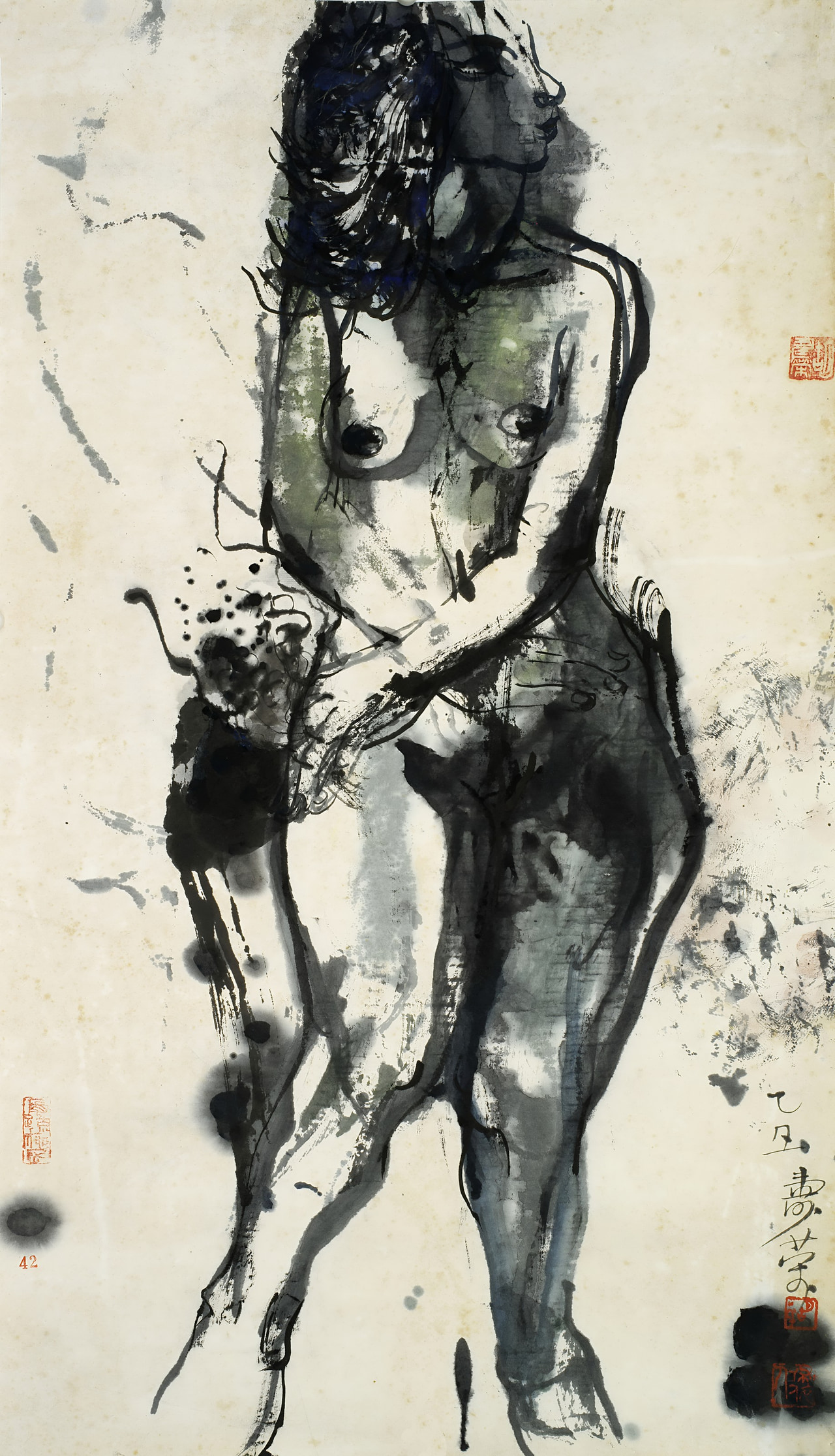
Hu Shourong has long worked primarily on xuan paper. Ink, water, color, and line diffuse and overlap across its surface, while form and space are established through sustained acts of painting. Across different periods, the subjects, colors, and structures of the work continue to change, yet an enduring concern with material, pictorial order, and time remains. “Generative Paper-based Painting” names this long-term practice.
The absorbency, diffusion, and irreversibility of xuan paper directly participate in the formation of the image. Once water, ink, and color enter the paper, edges, transparency, and layers begin to shift; subsequent marks act upon what has already been established. Direction, density, visual weight, and space emerge through the interaction between material change and artistic judgment.
Flowers, vessels, figures, and natural forms remain recognizable, while entering into precise relationships with line, ink masses, layers of color, unpainted space, and the texture of the paper. Visual appearances differ markedly from one period to another, yet the sense of form, material judgment, and pictorial order remain continuous.
“Generative” describes the gradual formation of the work through material response, sustained mark-making, and the accumulation of time. The connection among the works rests on long experience with paper and pictorial order rather than on a fixed visual formula. The term is unrelated to computer-generated imagery.
Xuan paper absorbs water, ink, and pigment, altering edges, transparency, and layers. Some traces cannot be withdrawn; later marks continue upon the existing image.
Direction, density, visual weight, and unpainted space constrain one another, establishing a clear pictorial structure. Changes in the pace of line, variations in ink, and traces retained by the paper preserve a sensuous tension within the work.
Figures, flowering branches, vessels, and natural forms recur across different periods. Contour, ink masses, layers of color, and unpainted space shift their positions within the image, producing distinct spatial relationships and visual appearances.
Structural Ink, Conflict and Balance, Generative Floral Field, Deep Blue, and Microgenesis are five principal directions within Hu Shourong’s long-term practice on paper. Each places a different emphasis on ink structure, pictorial tension, color relationships, monochromatic space, and the order of detail.
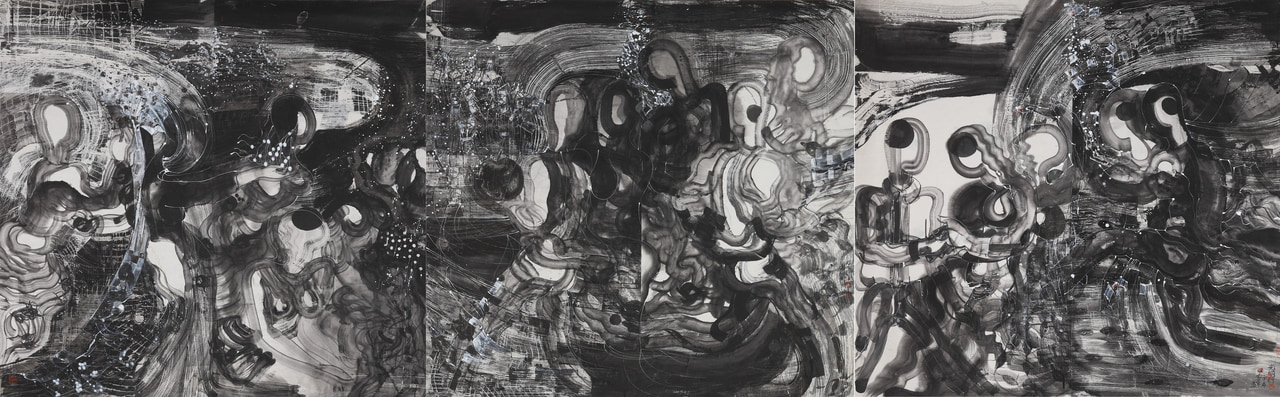
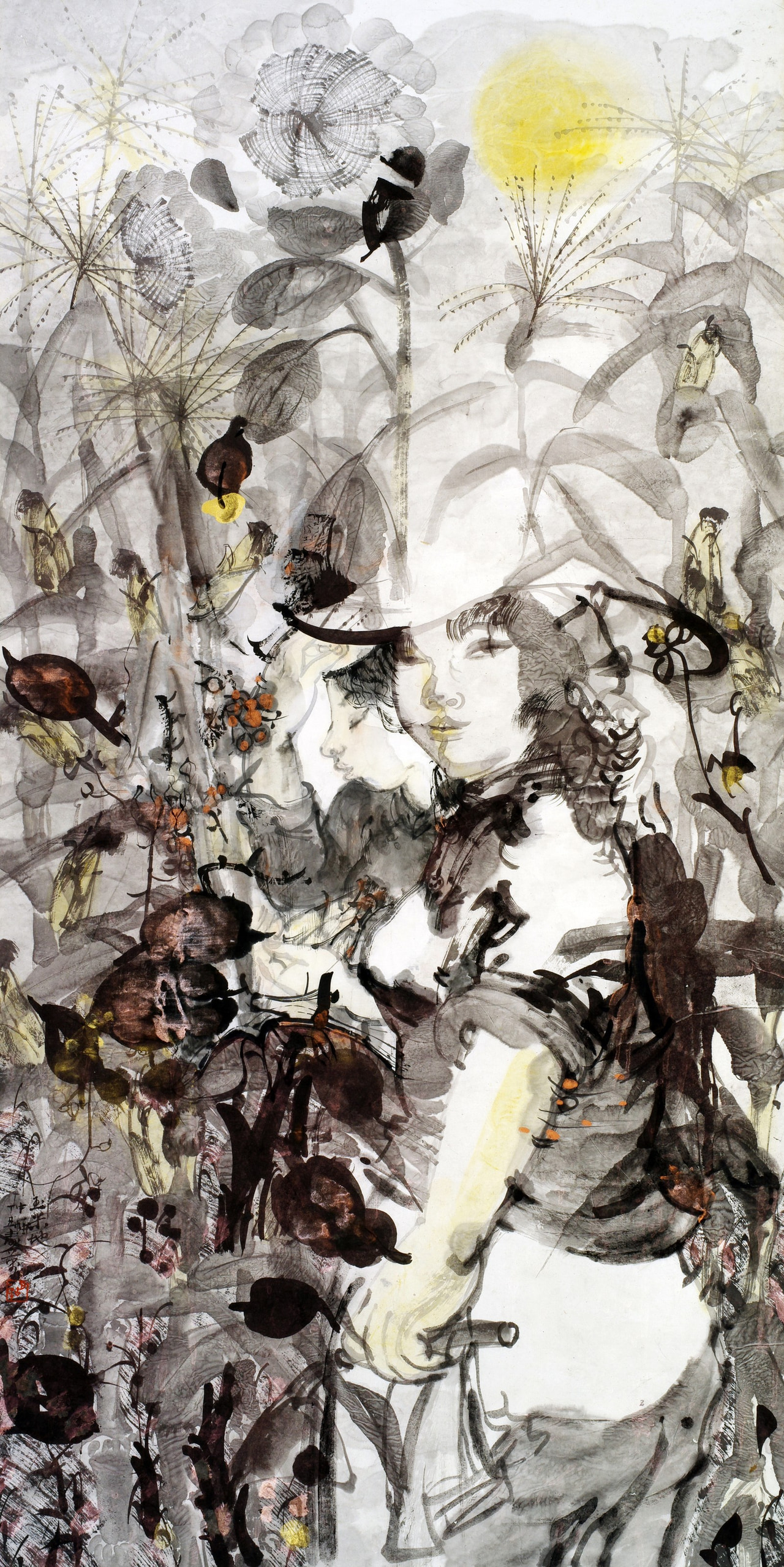
Ink, form, and space support one another. Tonal variation, wetness and dryness, changes in pace, and unpainted space give the image a clear framework and rhythm.
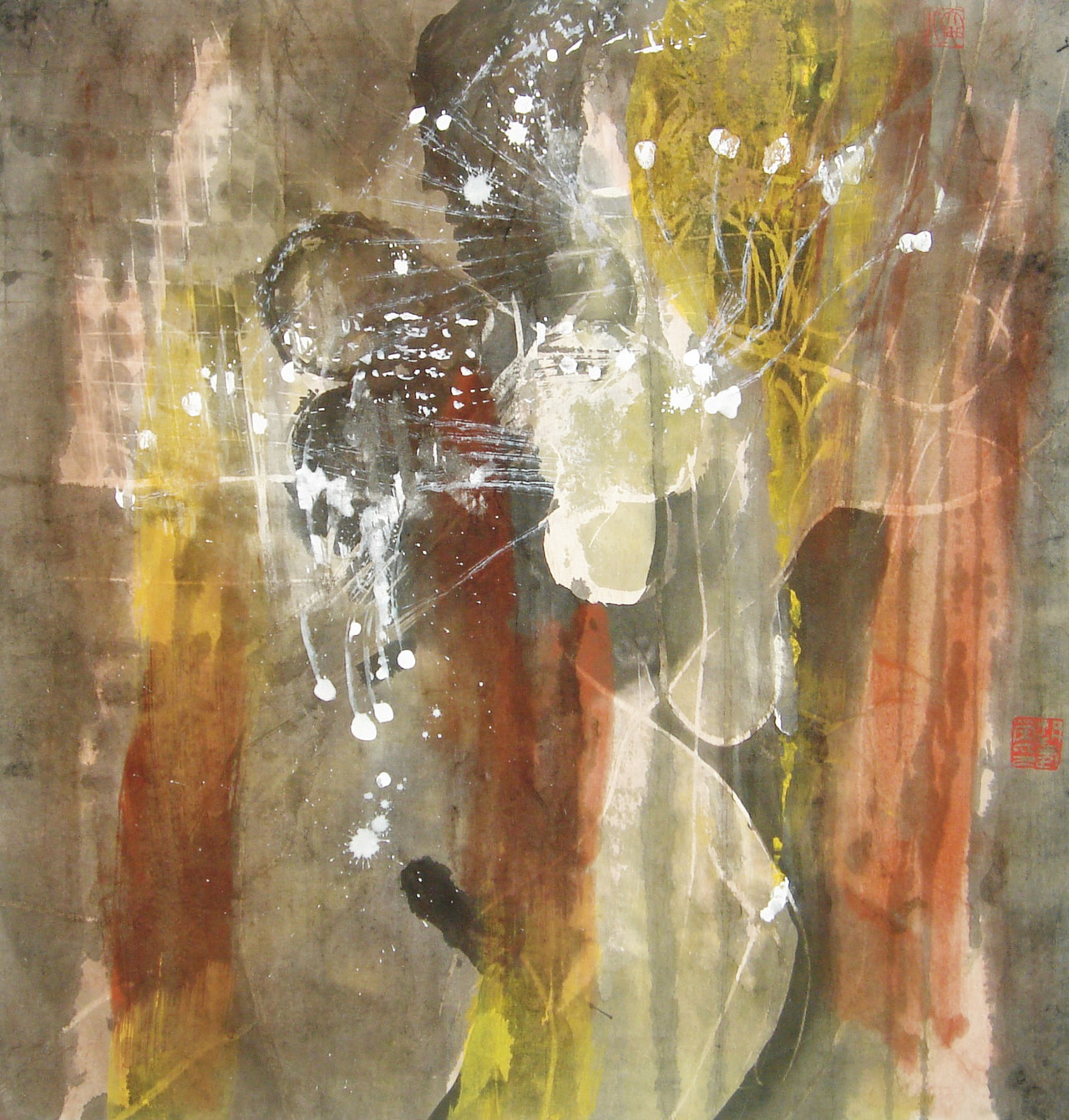
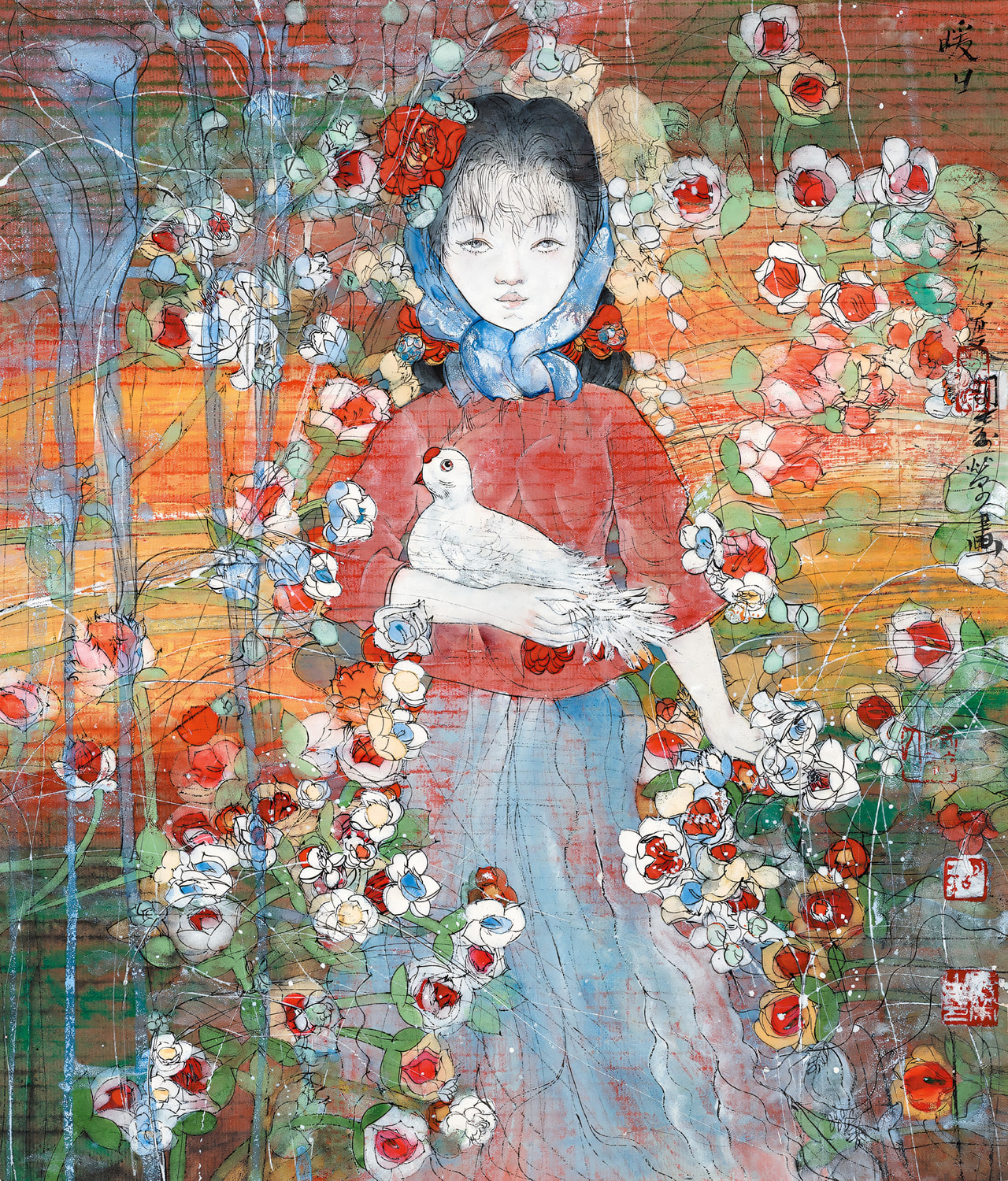
Explore Structural Ink →Strokes, areas of color, and unpainted space pull against one another, while the center of gravity shifts between rupture and connection. Tension emerges through mutual constraint; balance does not depend on symmetry.
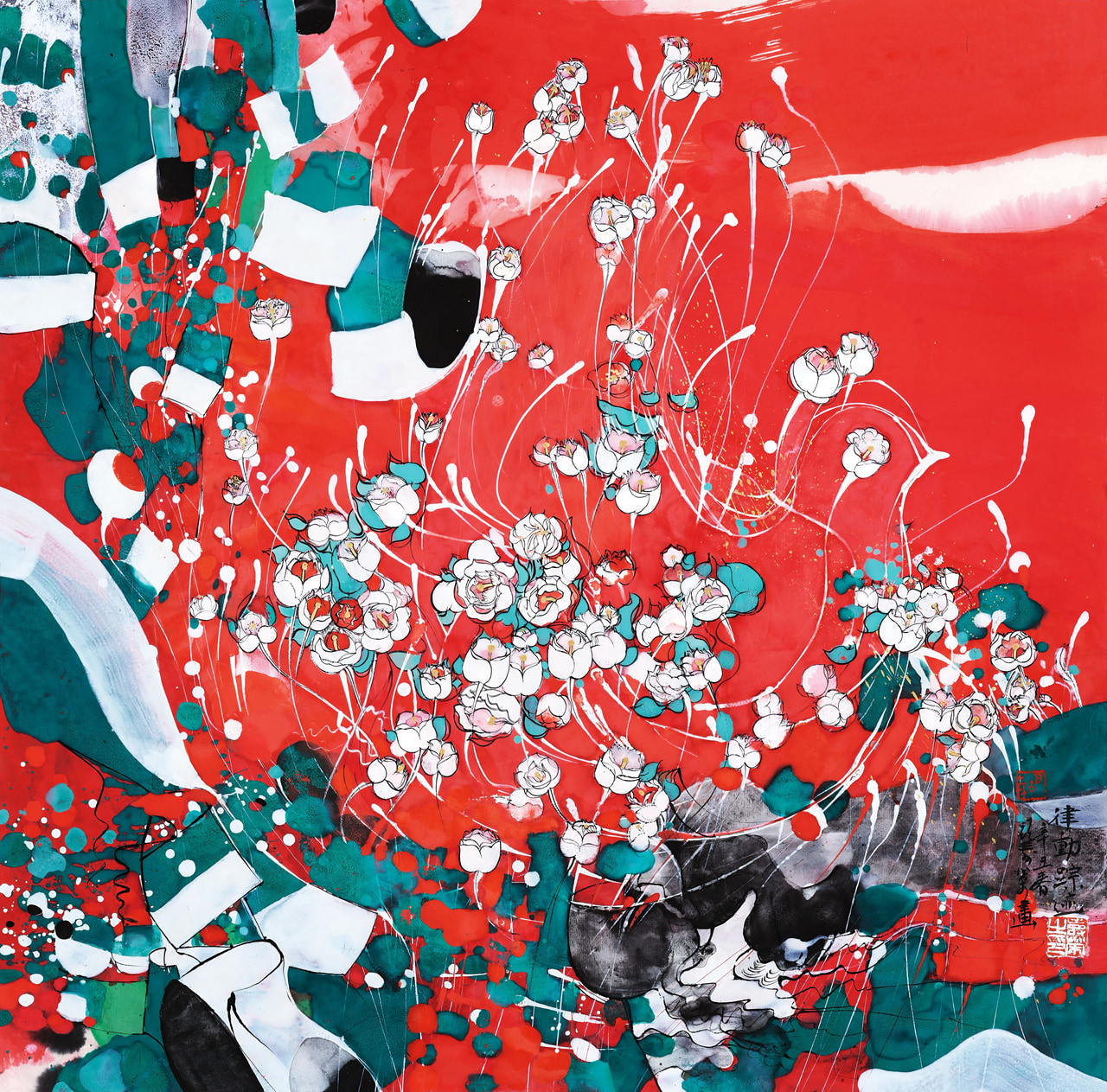
Explore Conflict and Balance →Luminous color, flowering branches, vessels, and diffusion across the paper intersect. Layers of color develop on xuan paper, while lines pass through different areas, holding recognizable forms and open space in tension.
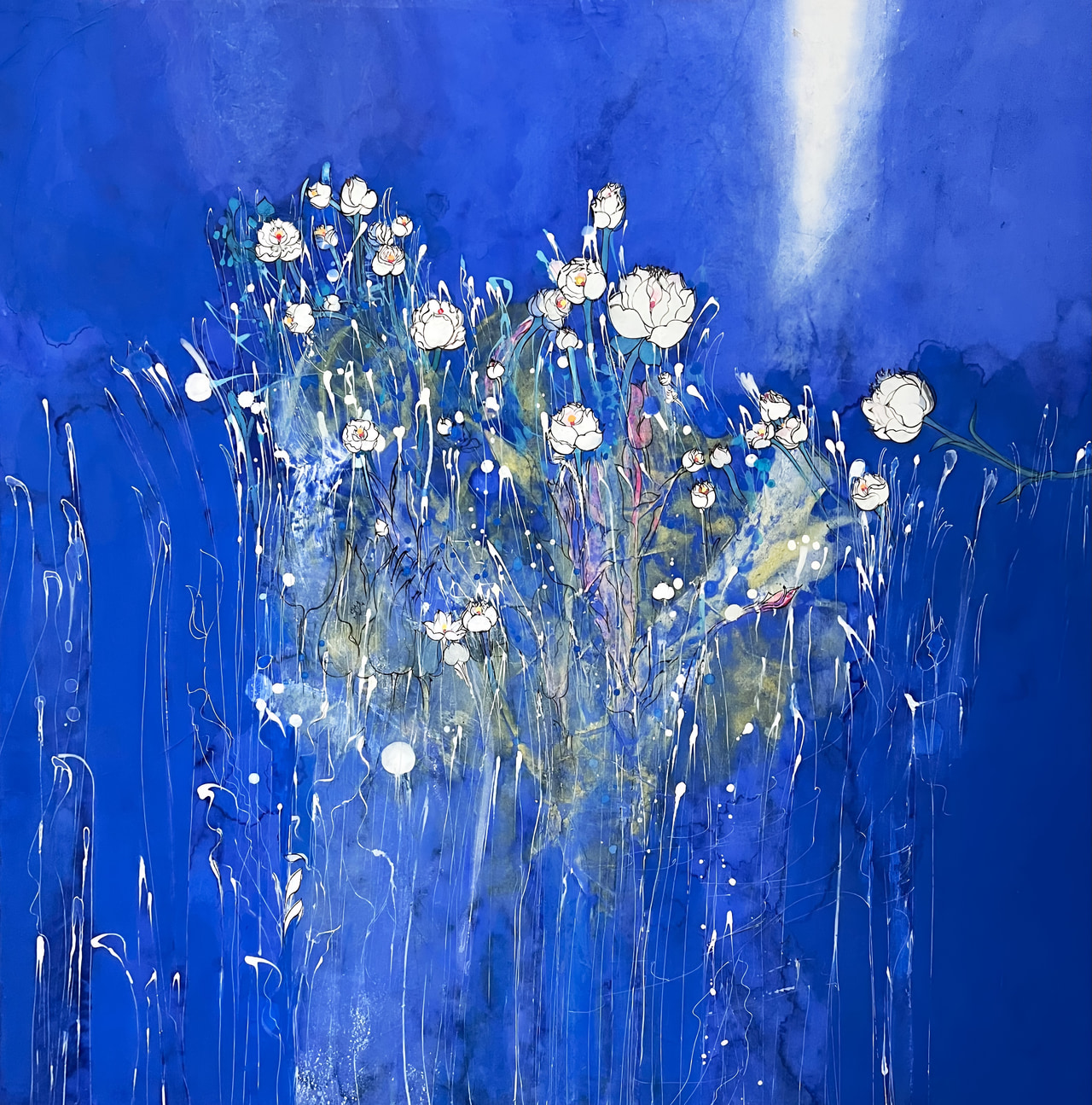
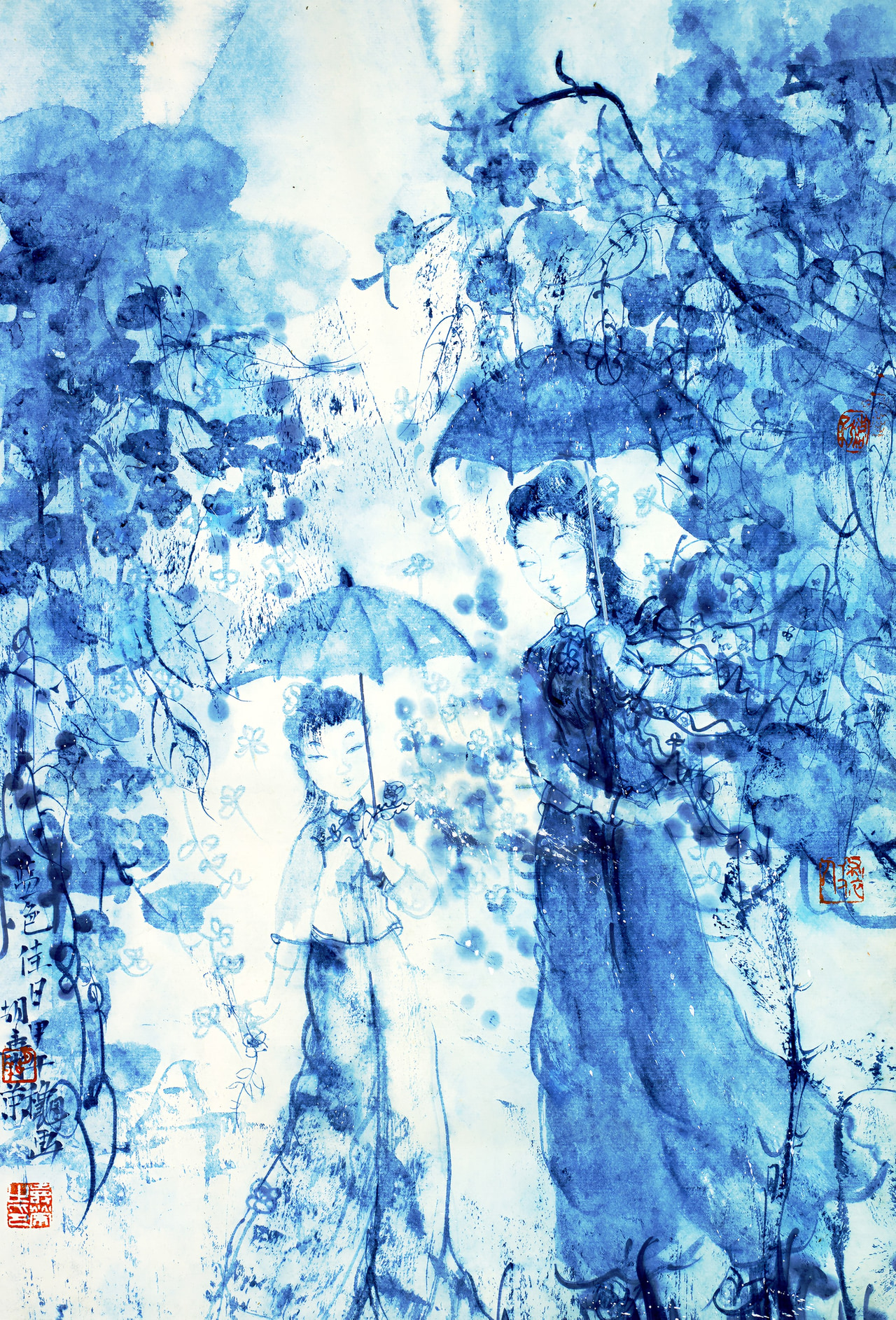
Explore Generative Floral Field →Deep, pale, and nearly transparent layers of blue meet across xuan paper, creating depth, air, and distance. White lines, ink traces, and partial forms move through them, preserving variation and rhythm within a unified palette.
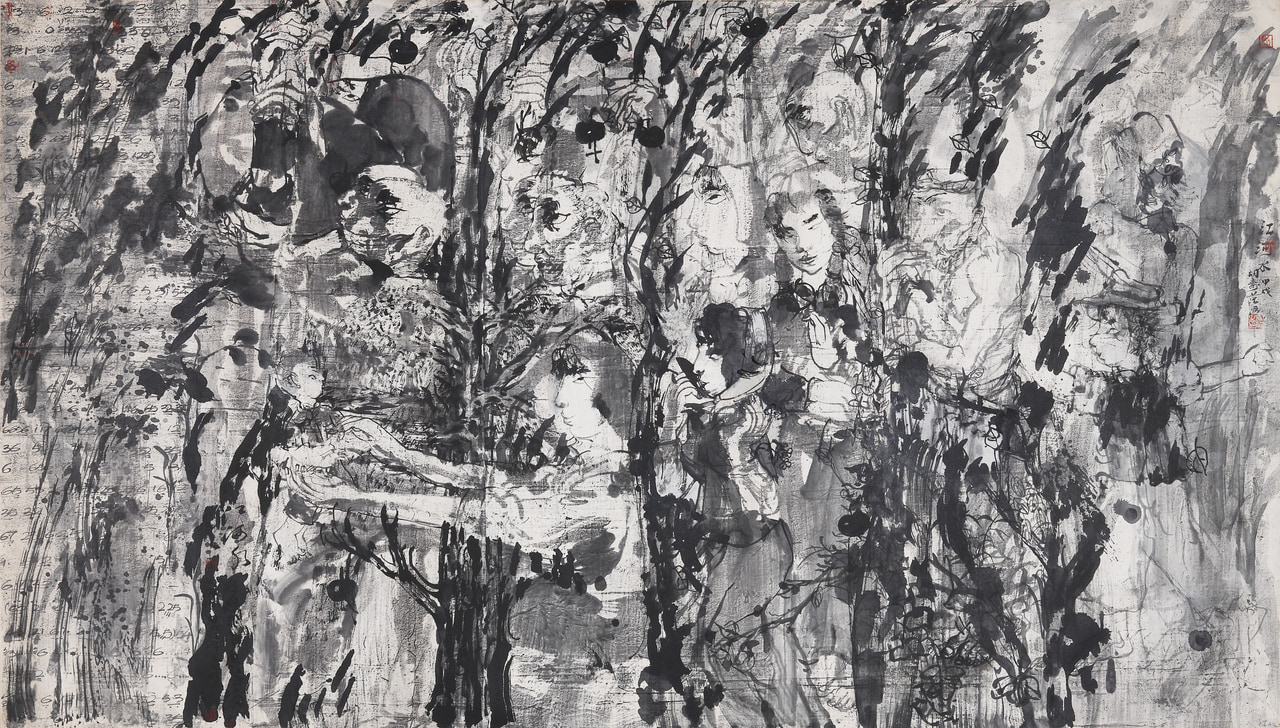
Explore Deep Blue →Fine lines and sustained drawing establish densely worked local structures. Figures, plants, vessels, and natural forms develop through accumulated linear relationships, while detail remains contained within the overall space and order.
Explore Microgenesis →